
How a Stanthorpe apple grower with an on-site cidery standardised pack-out and pressing on one deep folding vented crate
A Stanthorpe (Granite Belt) apple grower with a small on-site cidery.

The operator
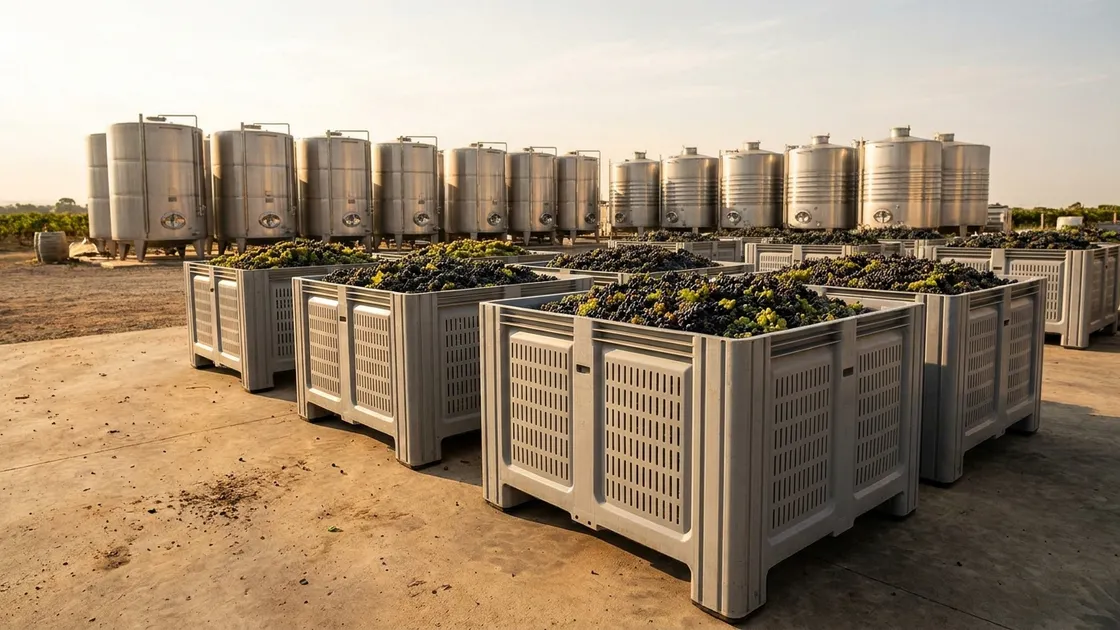
This is an apple grower on Queensland's Granite Belt, around Stanthorpe, running a fresh pack-out operation alongside a small on-site cidery. Their fruit splits two ways at harvest: premium fruit packed for the fresh trade, and the balance crushed for cider. Historically those two streams used different packaging, which meant juggling odd carton sizes, extra handling, and a packing line that was forever sorting fruit into the wrong box. They wanted a single crate that could carry both fresh pack-out and pressing fruit, vent the field heat out of the apples, and collapse flat for the trip back between blocks and the cidery.
The problem with the old handling
Two shallow carton sizes were doing the work of one. The shallow trays carried less per unit than the fruit warranted, so the line de-stacked and re-handled more boxes than it needed to, and at peak that handling overhead really bit. The cartons also held field heat against the fruit — apples come off the tree warm, and packaging that does not breathe slows pre-cooling and risks condensation. And because the boxes were rigid, moving empties back between the orchard blocks and the cidery meant carting air. The grower wanted to retire the odd sizes and standardise.
Why this product
They standardised on the deeper Folding Vented Plastic Crate (BPB-P6418FV): a 600 x 400 mm produce-standard footprint at 185 mm tall, a 39 L body in PP, with ergonomic lock handles, full venting, and cross-stacking capability. The depth was the key. At 39 L it carries roughly a third more per crate than the shallow trays it replaced, so the line handles fewer units for the same tonnage. The full venting sheds field heat from the warm apples and lets them pre-cool properly instead of sweating. The lock handles speed packing on the line, and cross-stacking means the crates build a stable pallet without crushing the layer below. And at just 1.76 kg empty, folding to a 28 mm collapsed height, the empties stack to a fraction of erected volume for the run back — a single deep crate that handles both the fresh and the pressing stream.
The rollout
They introduced the crate across both streams ahead of harvest and immediately dropped the two legacy carton sizes. Pickers and packers took to the deeper crate quickly because it meant fewer units to fill, stack and move, and the lock handles made line packing faster than fiddling with cartons. Between the blocks and the cidery, the crew folded empties flat — at 28 mm collapsed they take almost no room — and ran them back in a fraction of the space. Standardising on one size also ended the constant mis-sorting of fruit into the wrong box.
The estimated result
These are estimates, framed as such, because handling and freight gains vary with throughput and how far fruit travels. On labour, standardising on one deeper crate and carrying about a third more per unit, we estimate the grower saved roughly 2 hours a day in de-stacking and sorting at peak — the time that used to disappear into handling extra shallow boxes and picking the right carton size. On freight, folding the empties flat to 28 mm cut the inter-site return-transport volume by an estimated two-thirds versus carting rigid boxes back. Over a service life measured in many trips per crate, we estimate the returnable comfortably displaced the recurring cost of single-trip cartons across both the fresh and cider streams, while delivering better-pre-cooled fruit off the back of the venting.