
How a Western Sydney pharmaceutical distributor kept its racking compliant with a heavy-duty Euro pallet
A Western Sydney (NSW) pharmaceutical distributor running GMP inbound checks.

The operation
A pharmaceutical distributor in Western Sydney running a Euro-pallet (1200×800) operation into beam racking under a GMP-grade inbound regime. Two pressures shaped their pallet decision. First, racking compliance: AS 4084 governs how much weight a pallet can safely carry across racking beams, and that is a different, lower number than the headline static rating — getting it wrong is a genuine safety and audit exposure. Second, hygiene and biosecurity: inbound timber pallets drag fumigation, quarantine and contamination concerns into a controlled pharmaceutical environment.
The problem with the old handling
Timber Euro pallets created two recurring problems. They had to be inspected, sometimes fumigated, and treated as a quarantine and contamination risk on the way into a GMP facility — extra labour on every inbound line. And timber's racking behaviour is variable and hard to certify, which made staying demonstrably within AS 4084 across the racking awkward. The distributor wanted a pallet they could rack to a defined, published figure and that arrived clean enough to skip the timber-handling steps.
Why this product
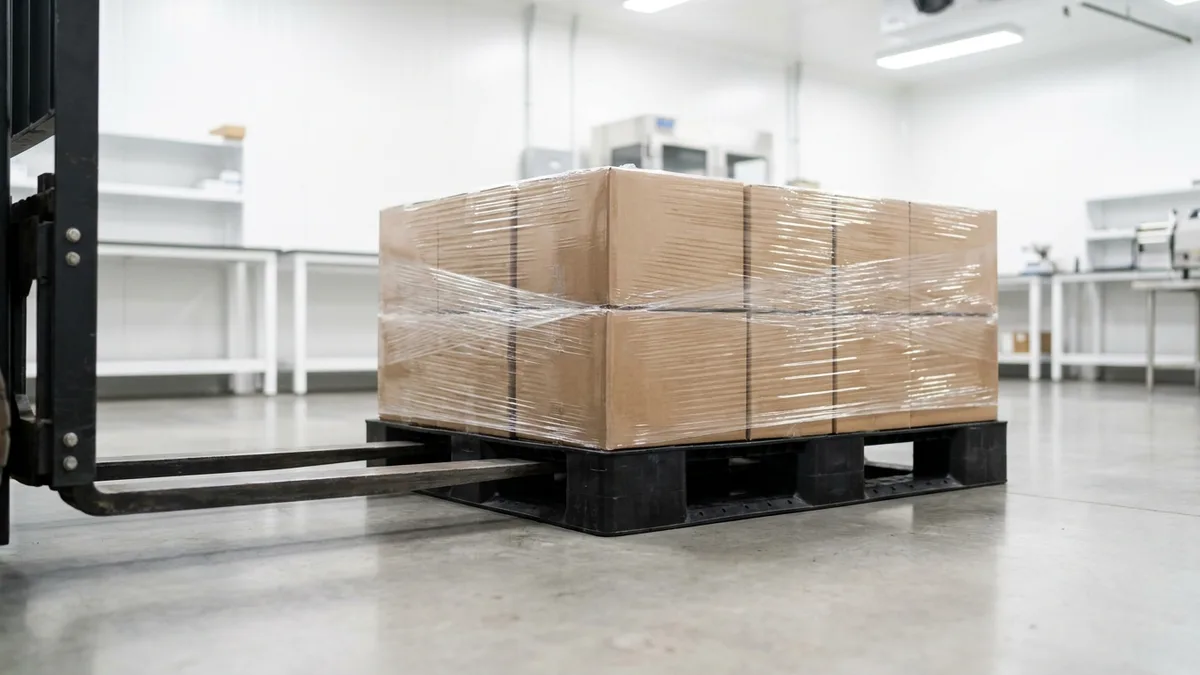
They chose the heavy-duty HDPE Euro pallet, and they specified it correctly — which is the part that matters. The pallet is 1200×800×157 mm, 20 kg, on a 3-skid base, rated to 10,000 kg static and 3,500 kg dynamic, with a published racking rating of 650 kg. The crucial discipline was loading to the 650 kg racking figure for beam storage rather than the 10,000 kg static headline — that is what keeps the racking compliant under AS 4084. The static number describes a pallet sitting on the floor; the racking number describes it spanning two beams, and only the latter governs the rack. On the hygiene side, the wipe-clean HDPE deck has no timber to fumigate or quarantine, so the contamination and biosecurity steps drop out of the inbound GMP check. As a rackable, stackable plastic pallet it also behaves predictably load-to-load in a way timber does not.
How the rollout went
The pallets went into the racking with loads planned against the 650 kg figure, keeping the beam storage demonstrably within AS 4084 — a defined number an auditor can check, rather than a judgement call on a timber board. On the inbound dock, the clean plastic deck meant inbound lines no longer carried the timber fumigation and quarantine steps, and the wipe-clean surface suited the GMP environment. The 20 kg pallet handled the heavy pharmaceutical loads without the flex and failure of tired timber.
The estimated result
The distributor estimates the wipe-clean deck removed the timber fumigation and quarantine steps from inbound GMP checks, saving an estimated one to two labour hours per inbound pallet line. That is framed as an estimate — the exact time saved depends on how rigorous the prior timber-handling protocol was — but the structural benefits are not estimates at all: racking to the published 650 kg figure keeps the operation inside AS 4084, and a plastic pallet simply does not carry the biosecurity and contamination baggage of timber into a controlled environment. The lesson the distributor took away, and one worth repeating, is that you rack to the racking number, never the static headline — specify the pallet to its 650 kg beam rating and the compliance, the hygiene and the labour saving all follow.