
A South Australian potato grower halves dispatch-pallet spend with quality-inspected used 1200x1000 ISO plastic pallets
A South Australian potato grower running graded crop from packing shed to supermarket DCs..

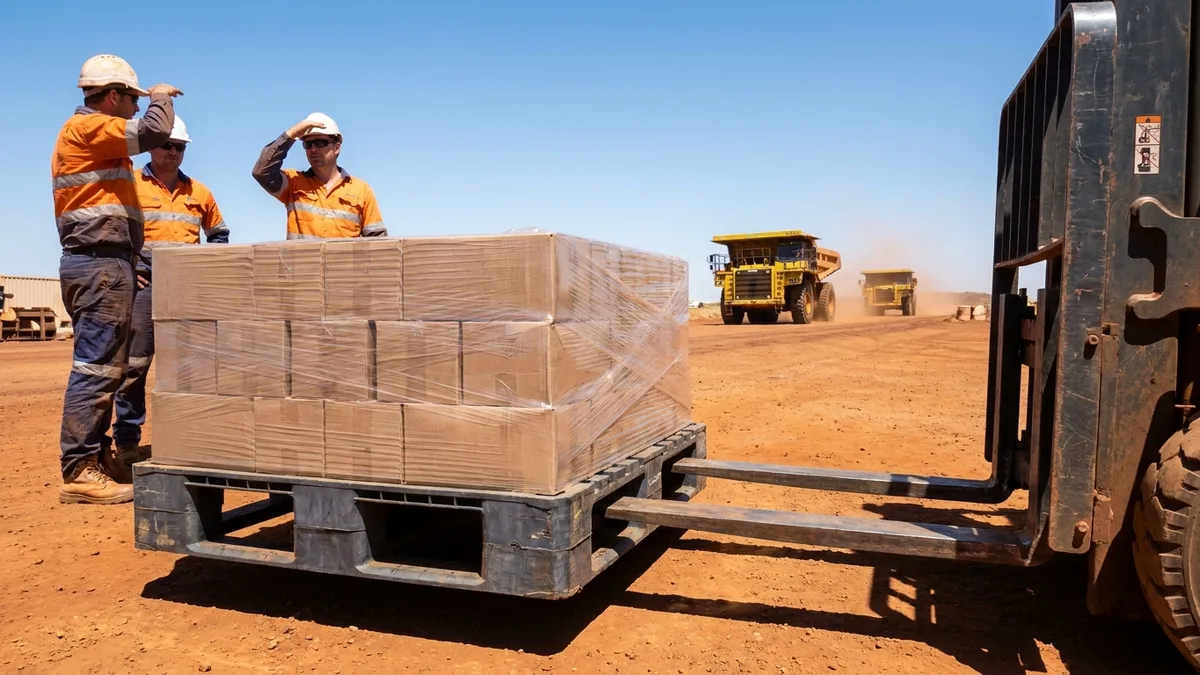
The operator and the problem
This operator is a family-run potato grower in South Australia's Adelaide Plains, washing and grading crop through a central packing shed before dispatch to supermarket and wholesale distribution centres. The work is seasonal and high-volume: pallets of bagged and bulk-bin potatoes leave the shed daily through the dig, then the shed sits quiet for months. Their pain was the dispatch pallet itself. Timber stringer pallets were splintering, harbouring soil and moisture, and being rejected or destroyed at DC gates under hygiene and ISPM-15 scrutiny, so the grower was effectively buying a one-way consumable every season and absorbing the replacement cost. They wanted a hygienic, repeatable pallet on the standard footprint their customers already rack and scan — without paying new-build prices for stock that turns over fast.
Why this pallet
We matched them to the BPB-120UL, a second-hand 1200x1000 mm ISO plastic pallet supplied as quality-inspected used stock. The 1200x1000 footprint is the point: it is the ISO export and grocery-DC standard, so it drops straight into the racking, conveyors and scanning lanes the grower's customers already run, with no re-slotting. Because it is moulded plastic rather than timber, it washes down between loads, does not splinter into product, and carries no ISPM-15 heat-treatment obligation — a real advantage for produce moving between sites. The pallet is both nestable and stackable: nesting collapses the empty fleet tight for the return leg and off-season storage, while stacking lets loaded units build safely in the chiller. It is moulded in durable polyolefin and HDPE-family materials (PC, PO, HDPE), and supports four-way forklift and pallet-jack entry, so shed crews can pick it from any side during a fast dig. The decisive factor was value: as inspected used stock it lands at a fraction of new-build outlay while still giving the grower a genuine plastic-pallet lifecycle.
The rollout
We started with a trial drop against the 30-unit minimum order quantity, which let the grower prove the footprint through their own wash-down and DC dispatch cycle before committing the season's fleet. Crews ran loaded units out to two DCs, tracked how many came back, and confirmed the nesting height collapsed empties enough to free shed floor that timber dunnage had been eating. Once the trial cleared, they scaled the order to cover peak dig throughput, holding a buffer for the units that stay out in the customer pool on any given week. Because the pallets nest, off-season storage shrank to a corner of the shed rather than a row of pallet bays.
Industry fit
For fresh produce this is close to an ideal fit. Post-harvest loss is a structural cost in horticulture — the FAO puts global fruit and vegetable losses at roughly 40 to 50 percent across the chain — and a smooth, washable, splinter-free pallet removes one avoidable source of contamination and physical damage between shed and shelf. The standard 1200x1000 ISO footprint keeps the grower aligned with grocery DC requirements rather than fighting them, and four-way entry suits the mixed forklift and walkie fleet typical of a packing shed. Choosing inspected used stock also keeps serviceable plastic in circulation for another lifecycle instead of sending it to recycling early, which sits well with the sustainability questions produce buyers increasingly ask of their suppliers.
Estimated result
On the grower's own throughput, moving off destroyed-each-season timber to a reusable inspected plastic pallet is in the order of a 40 to 50 percent cut in per-season dispatch-pallet spend, driven mostly by units surviving multiple trips instead of one. Reduced DC rejections and less product contact damage stack on top of that, and the nesting footprint typically pays back its storage and handling benefit within roughly a season. These figures are planning estimates only — your actual saving depends on your dispatch volumes, how many pallets stay in the customer pool, your freight lanes and your own return rates, so we size every quote against your real numbers.